

Punjab, often referred to as the “Land of Five Rivers,” has a rich history that dates back to ancient times. Known by various names such as Sapta Sindhu (Land of Seven Rivers) during the Vedic era, Bahudhanyaka in ancient texts, and Pentapotamia (Five Waters) by the Greeks, it was part of the Indus Valley Civilization (3300 BCE – 1300 BCE), one of the world’s earliest urban cultures. Major cities like Harappa and Mohenjo-Daro were marked by advanced architecture, drainage systems, and trade networks. This civilization laid the groundwork for societal organization in Punjab, and its remnants are crucial to understanding the region’s early development. The Vedic period followed, introducing early cultural traditions, the composition of ancient texts like the Rigveda, and the establishment of agrarian societies. Clans such as the Purus, Bharatas, and Kurus were prominent during this time, laying the foundation for Punjab’s cultural ethos.

Punjab has connections to early dynastic traditions that include the rule of the Suryavanshi dynasty. Historical accounts suggest that figures such as Luv and Kush, who are believed to have been associated with the northwestern regions of the Indian subcontinent, had links to Punjab. Cities like Lahore and Kasur are traditionally attributed to their namesakes. Clans such as the Khatris and Rajputs trace their lineage to these ancient dynasties, playing pivotal roles in governance, trade, and cultural development. These ancient Kshatriyas, renowned for their military prowess, safeguarded the region from external invasions and established a legacy of valor. Both clans contributed significantly to the cultural and societal framework of Punjab, leaving an enduring impact on its history.
Additionally, ancient clans such as the Malavas, Trigartas, and Yaudheyas occupied and ruled different parts of Punjab during this era, showcasing a sophisticated governance system and military prowess. The region also served as a battleground for power struggles among early dynasties like the Kuru and Panchala kingdoms, highlighting Punjab’s strategic importance. Key events include the establishment of regional trade routes, the rise of coinage systems, and alliances with neighboring territories. The Dasam Granth references the valor of these early tribes and their adherence to dharma.

In the 6th century BCE, Punjab became a part of the Achaemenid Empire under Persian rule, introducing administrative systems and coinage. The Achaemenid influence contributed to the region’s cultural diversity. Alexander the Great’s campaign in 326 BCE marked a remarkable event in Punjab’s history. The local resistance against his forces was fierce, with significant involvement from the Malloi, Kathaeans, and other warrior tribes native to Punjab. These tribes, often associated with the ancient Khatri and Rajput clans, demonstrated extraordinary valor in defending their homeland. Leaders from these clans organized strategic defenses, utilizing the region’s terrain and rallying their communities to stand against the invader. This resistance underscored the enduring martial spirit of Punjab and set a precedent for its legacy as a bastion of courage and resilience. Local tribes such as the Malloi and Kathaeans fiercely resisted his advance, exemplifying the courage of Punjab’s warrior clans. Despite his brief presence, the interaction left traces of Hellenistic culture in the region, including art and coinage.
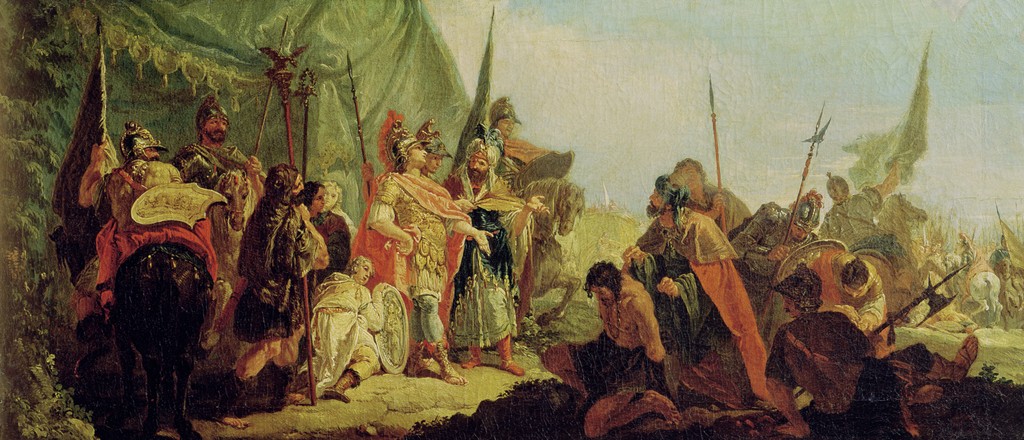
After Alexander’s retreat, the Maurya Empire, led by Chandragupta Maurya, consolidated the region, spreading Buddhism under Emperor Ashoka. Punjab became a hub for Buddhist learning and trade during this period, with stupas and monasteries built across the region.
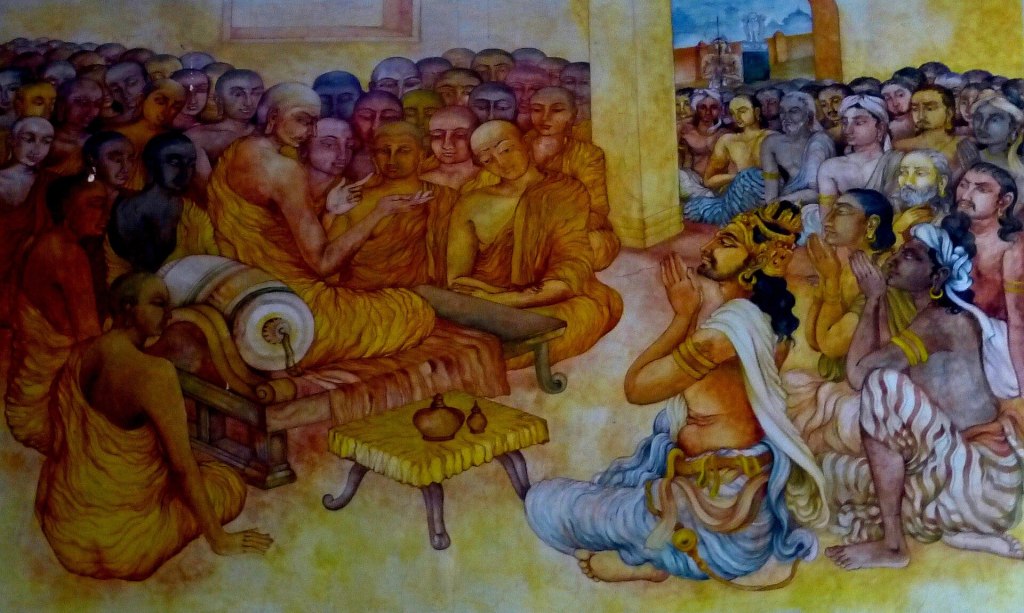
During the Gupta Empire (4th to 6th centuries CE), Punjab witnessed a revival of cultural and linguistic developments, including the prominence of Sanskrit. Key clans like the Hunas (Huns) invaded the region during the post-Gupta period, leading to socio-political upheavals. These invasions caused shifts in power dynamics, and regional kingdoms such as the Shahi dynasty emerged. The Shahis, a Rajput dynasty, played a significant role in defending Punjab from further invasions and maintained a flourishing cultural environment. Notable leaders such as Raja Jayapala and Anandapala are remembered for their valor in battles against the Ghaznavids, as chronicled in historical texts.
The 8th century saw the Arab conquest of Sindh, but it wasn’t until the 11th century that Punjab experienced significant Islamic influence. Mahmud of Ghazni conducted numerous raids, targeting cities like Thanesar and Nagarkot. The Ghurid Empire later established the Delhi Sultanate in the late 12th century, incorporating Punjab into its domain. This period introduced Persian culture, architecture, and Sufism, blending with local traditions. Important Sufi saints like Baba Farid and Sheikh Ali Hajveri became prominent spiritual figures, influencing the socio-religious fabric of Punjab.

In 1526, Babur founded the Mughal Empire, and Punjab became a critical province. Known as Suba Punjab, it flourished in art, architecture, and administration under Mughal rule. However, heavy taxation and religious discrimination under some rulers caused social unrest. Clans like the Khatris, Rajputs, Kambojs, and Jats emerged as influential groups in society during this time, contributing to trade, agriculture, and resistance movements. The Rajputs, in particular, played key roles in military engagements and administration, while Khatris dominated trade and cultural patronage.

By the 15th century, Punjab was a melting pot of diverse cultures and traditions. Bhakti and Sufi movements gained prominence, emphasizing devotion, equality, and spiritual enlightenment. Saints like Kabir and Baba Farid inspired people from various backgrounds, challenging orthodox practices and promoting unity. These movements created an environment of introspection and questioning, setting the stage for the emergence of Sikhism
In this socio-political and cultural context, Guru Nanak Dev Ji (1469-1539) was born in the village of Talwandi (now Nankana Sahib in present-day Pakistan). Guru Nanak’s teachings marked the beginning of Sikhism, a faith rooted in monotheism, equality, and selfless service. His teachings stood in stark contrast to the prevailing socio-religious practices of the time, which were often marked by rigid caste hierarchies, ritualism, and sectarian divides. Guru Nanak rejected idol worship and the exclusivity of religious orthodoxy, advocating instead for direct communion with the Divine through meditation and truthful living. His emphasis on the oneness of humanity and God challenged the social norms that perpetuated inequality, making his message a beacon of hope for marginalized communities across Punjab and beyond.
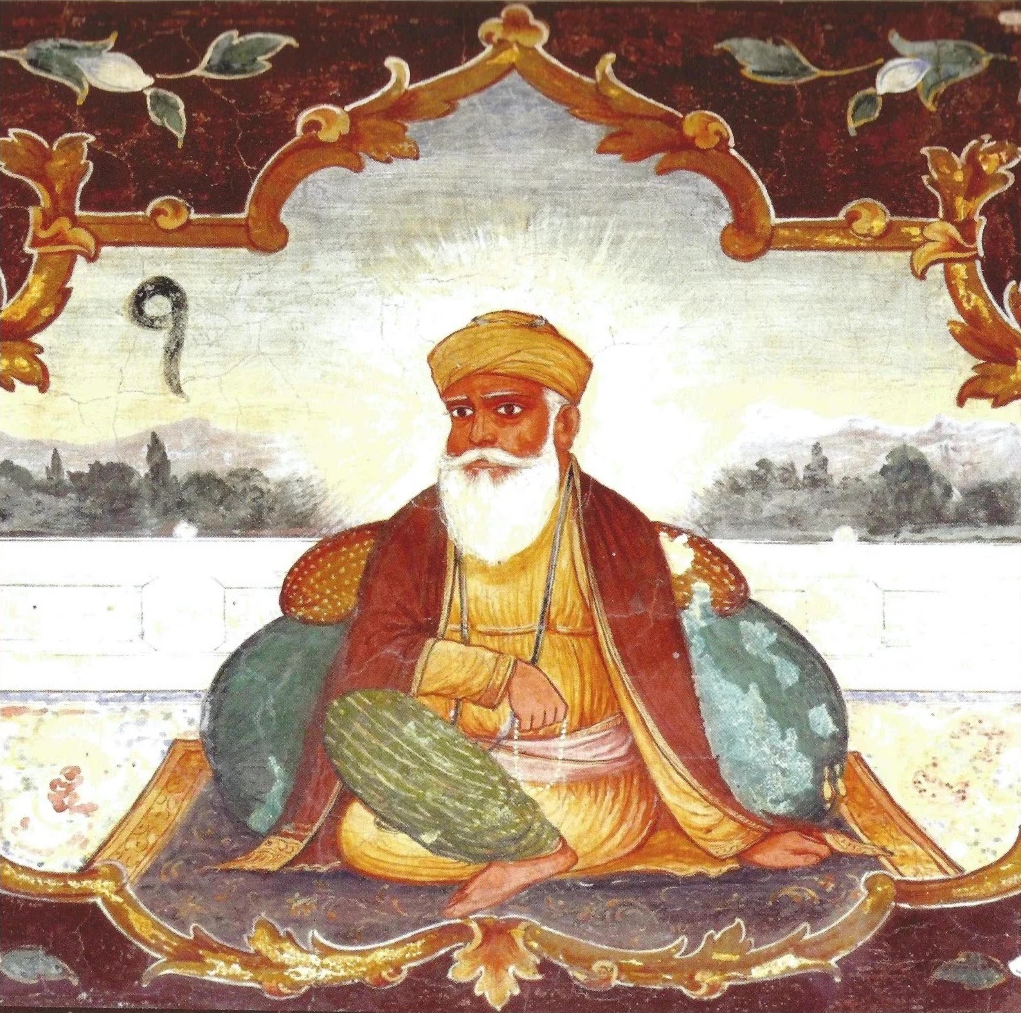
Guru Nanak traveled extensively across South Asia and the Middle East, spreading his message of universal brotherhood, rejecting caste distinctions, idol worship, and ritualism. His spiritual hymns, compiled in the Guru Granth Sahib, laid the foundation for a new, inclusive spiritual path. Guru Nanak’s interactions with diverse communities reflected Punjab’s interconnectedness with the broader world.
Guru Nanak appointed Bhai Lehna as his successor, naming him Guru Angad Dev Ji. The Sikh tradition of guru lineage continued for nine more Gurus, each contributing to the development of the Sikh faith.

The history of Punjab, up to the formation of Sikhism, reflects a region shaped by cultural synthesis, resilience, and spiritual evolution. Sikhism emerged as a revolutionary response to the challenges of the era, emphasizing unity, justice, and devotion to one God.



 Noble Punjab
Leave a comment